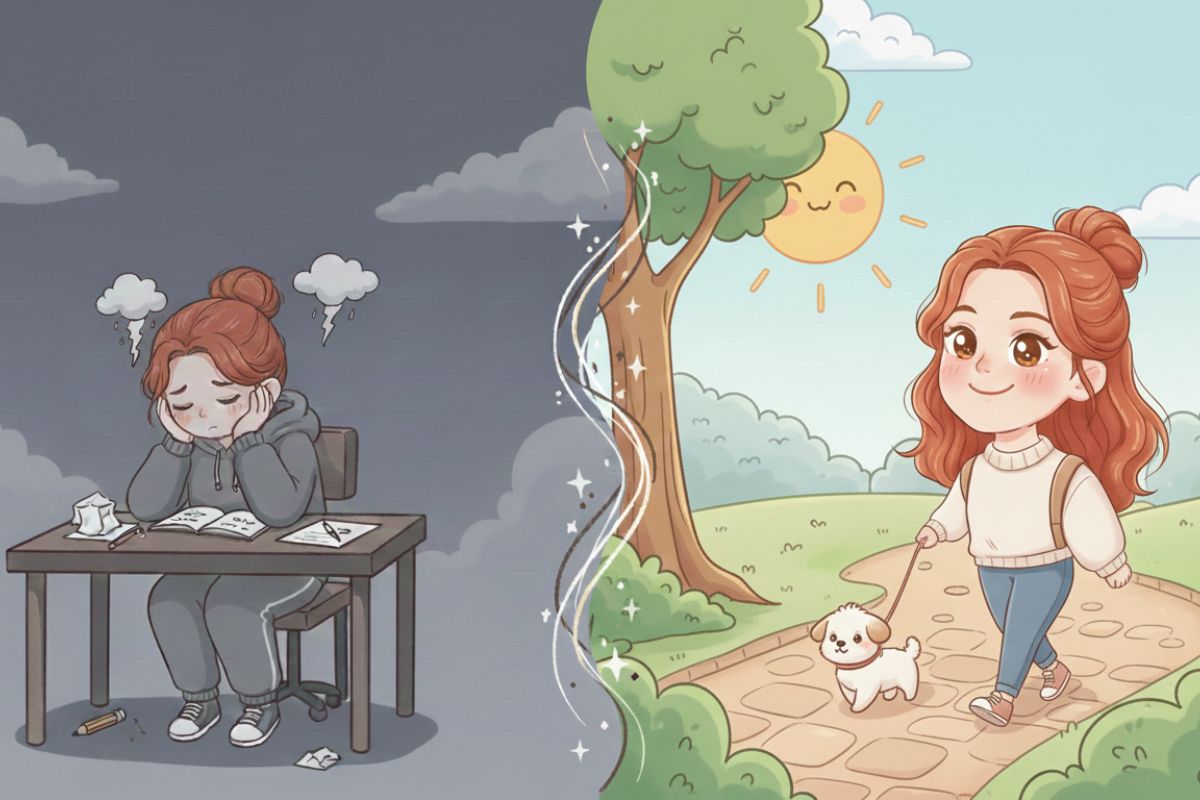
7 Signs You’re Doing Better Than You Think
Some days, I catch myself focusing way too much on what’s still messy in my life. The things I haven’t done, the stuff I wish I handled better, or just the feeling that I’m not quite where I want to be yet. It’s easy to forget how far I’ve actually come when I’m stuck in that mindset.
If you’ve ever felt the same, this article is for you. You might be doing a lot better than you realize. Progress isn’t always obvious. It shows up in quiet ways, through small shifts in how you think, feel, or respond.
These seven signs can help you see the progress that’s already happening in your life.
You’re Not Who You Were a Year Ago
You are becoming something beautiful, even if you can’t see it yet.
It’s hard to see your progress when you’re just living day to day.
Most changes are small, and they often feel too minor compared to the effort you’re putting in. It might seem like nothing’s happening, but don’t worry. Keep going; those little shifts still add up.
When you zoom out and compare today with that version of you, the difference becomes clearer. Maybe you react more calmly. Maybe you take better care of yourself. Maybe you ask for help sooner.
Take a minute and try this simple exercise: Think about where you were a year ago in the area that matters most to you. It could be your health, your relationships or even your confidence.
Be honest about what felt heavy back then.
These shifts are easy to miss in real time, but they show real growth. You might not feel finished, but that isn’t the point. You’ve been changing without noticing it, and that alone means you’re doing far better than you think.
You’re Looking for Ways to Feel Better
If you’re reading something like this, you’re already trying. That alone is a sign you’re doing better than you think.
People who have truly given up don’t look for answers, ideas or support. They don’t try to understand what’s going on inside them.

Looking for ways to feel better means you still care about your life. It means you believe things can improve, even if you’re not sure how yet. This kind of curiosity is a quiet form of strength. It’s the first step in making positive changes.
You don’t need a perfect plan to count this as progress. The simple fact that you’re making an effort is a sign that you’re getting better. You’re looking for something better for yourself, and that’s a great start.
You Notice When Something Feels Off
A good sign you’re doing better is that you can tell when something doesn’t feel right. Maybe you’re more tired than usual, or your mood feels low. Before, you might have ignored it. Now you notice it.
This means you’re paying attention to yourself. You’re not pretending everything is fine. You’re aware of what your body and mind are telling you.
When you see that something is off, you can do something about it. You drink water, take a break or get some fresh air. These small steps show that you’re taking better care of yourself, even on hard days.
You Try to Make Small Improvements
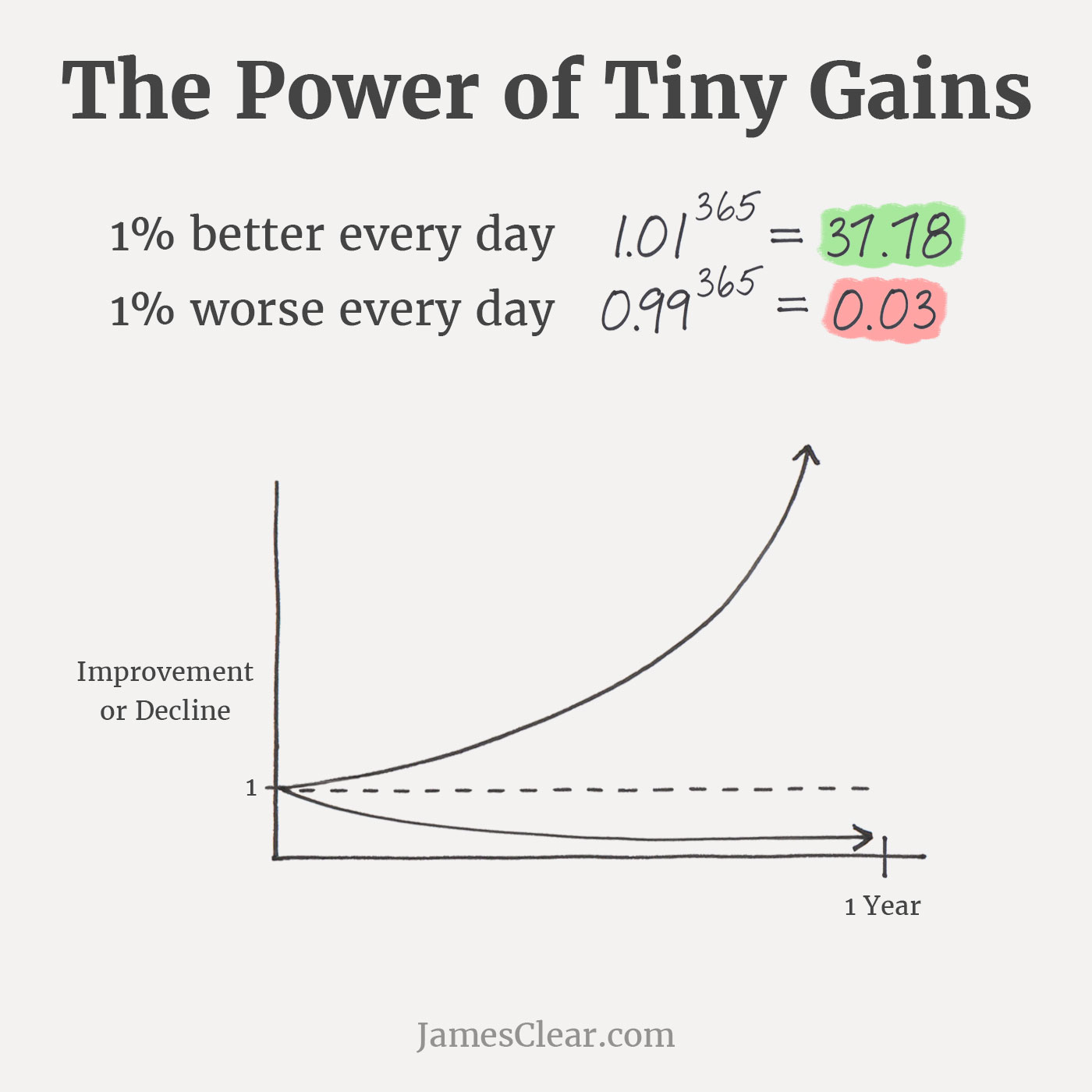
When we set goals, we tend to aim for big changes, but they don’t happen immediately. We may not get there right away, but taking small steps is easier and more likely to lead to long-term progress, which is essential.
Small improvements don’t always look important, but they add up. One better choice today makes the next one easier. Over time, these little habits can change how your whole day feels.
James Clear explains in his book Atomic Habits that even a small improvement, like being 1% better each day, can create big changes over time.
You don’t need a perfect plan. You just need to keep trying small things that help you feel a bit better. That’s a clear sign you’re moving in the right direction.
You Don’t Let One Bad Moment Ruin the Whole Day
Anyone can have a bad moment. Moving past it is the part that shows real strength.
It happens to everyone: you wake up late, get a message that upsets you or make a mistake you didn’t expect.
In the past, something small like this might have taken over your whole day. One rough moment in the morning could follow you for hours. Now you catch yourself sooner. You feel the frustration, but you don’t stay there.
You take a breath, reset and try again. This may feel small, but it’s a clear sign of progress. It means you’re learning to guide your day instead of letting one moment control everything.
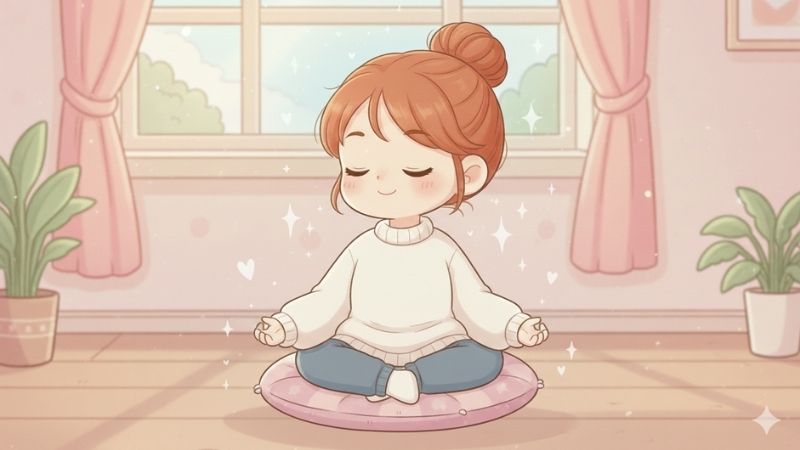
If you’re not good at this yet, here’s one simple trick:
Stop for ten seconds. Take one slow breath in, then one slow breath out. Say to yourself, “This is just a moment.” This tiny pause can break the spiral and help you start fresh.
You Have Simple Routines That Keep You Steady
A lot can happen in a day. We can’t predict what will happen from the time you wake up to the time you go to sleep. Having some simple routines in place can really make a difference in how you feel at the end of the day.
Even small habits can give your day a bit of structure. Typical examples are making your bed, reading a few pages of a great book in the morning, or taking a short walk after lunch. These tiny actions tell your brain, “Here’s how we start the day” or “Here’s how we reset.”
If you have even one or two routines that make you feel calmer, that’s a good sign. It means you’re building a base that keeps you steady, even when life gets busy. You’re taking care of yourself in small ways that add up over time.
If you don’t have routines yet, start with something simple. Pick one thing that makes your day feel easier and do it at the same time each day. It can be as quick as opening a window for fresh air or stretching for thirty seconds. Small habits still count.
Try not to add more than one at a time, and start simple. That’s also a tip from James Clear, by the way.
When choosing a new habit, many people seem to ask themselves, “What can I do on my best days?”.
JAmES CLEAR
The trick is to ask, “What can I stick to even on my worst days?”
Start small.
Master the art of showing up.
Scale up when you have the time, energy, and interest.
You Apologize When You Mess Up
Nobody gets everything right. You’ll say the wrong thing, lose your temper or make a choice you wish you hadn’t. What matters is what you do next. If you can apologize and try to fix things, you’re already doing better than you think.
Saying sorry shows you’re aware of your actions and that you care about the people around you. It means you’re not hiding or blaming. You want to do better, and you’re taking responsibility for your part in the situation.
If apologizing feels hard for you, try keeping it simple. A short “I’m sorry, I didn’t mean to do that” goes a long way. You don’t need a perfect speech. You just need honesty. That alone shows real growth.